

A sales return happens when a customer sends back a product for a refund or exchange, while a sales allowance is a price reduction given after the sale without returning the product. Returns impact both revenue and inventory, but allowances only affect financial records. Each one helps create a complete, auditable record that meets your internal and external needs. Each journal entry creates a chronological record of your sales, regardless of how customers pay.
🧾financial accounting i review
Understanding this connection is crucial for interpreting your financial statements and ensuring accuracy, especially for small business owners. Even if you use accounting software, grasping these underlying principles is beneficial for sound financial management. You can find more practical tips for small business accounting in this helpful guide. Automating your sales revenue journal entries is one of the most effective ways to improve accuracy and Cash Flow Statement free up your team’s time. Automated journal entries minimize manual data entry, reducing the risk of human error. The right software can simplify the process with templates for common transactions and customizable rules that trigger automated entries based on specific criteria.

Can a Sales Journal include cash transactions?
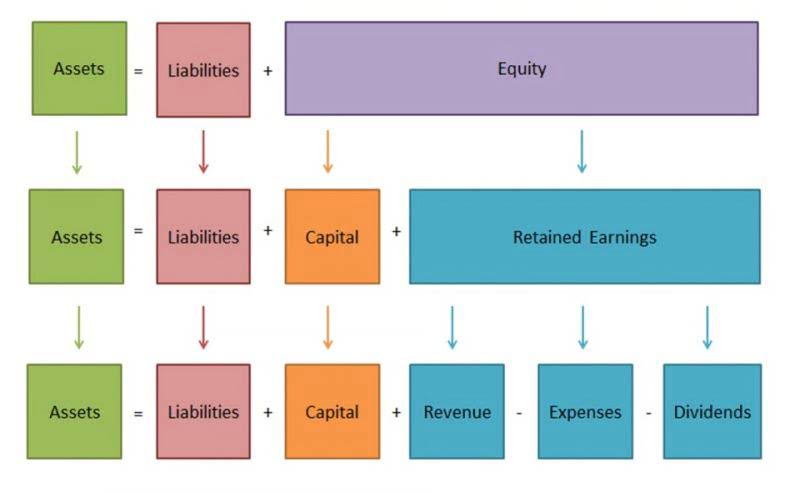
The seller typically records the sale as a debit to Accounts Receivable or Accounts Receivable and a credit account. The risk of selling on credit is in the notes receivable and notes payable journals. When recording sales, you’ll make journal entries using cash, accounts receivable, revenue from sales, cost of goods sold, inventory, and sales tax payable accounts.
Accrued expense journal entry: What it is and how to record it

Businesses operating in these states need to be aware of these local regulations and adjust their sales revenue journal entries accordingly. This means tracking sales by location and applying the correct local tax rate, if applicable. Sales tax adds complexity to transactions, but not every state levies it. Five states—Alaska, Delaware, Montana, New Hampshire, and Oregon—don’t have a statewide sales tax. This simplifies sales revenue journal entries, but there are still nuances to consider.
- This account is for deductions from revenue that result from returns or allowances.
- Sales revenue journal entries have a direct impact on your financial statements.
- We’ll even cover journal entries for sales involving discounts and how they impact your financial statements.
- In both cases, Sales Revenue (and Sales Tax Payable, if applicable) is credited to record the income from the sale.
- Aligning each sales entry with the respective date stamp is crucial for maintaining a structured sales record.
- For businesses dealing with high-volume transactions, automating these journal entries can be a game-changer.
- A comprehensive ledger containing all of a company’s financial accounts.
- So, if a client wants to return the product the invoice number can be matched with the invoice number in the sales journal.
- This entry increases your cash by the total collected and separates revenue from the tax liability.
- This minimizes human error and ensures your financial statements are accurate and up-to-date.
- The systematic arrangement of entries ensures easy access to information and simplifies the reconciliation process.
- When the customer eventually pays, you then debit cash and credit accounts receivable.
Regular audits and reviews help identify and correct any compliance issues promptly. Terms like “2/10, n/30” mean a 2% discount is applied if payment is made within 10 days, while the full amount is due within 30 days. These discounts are recorded in the sales discount journal, reducing the total accounts receivable. Such as sales discounts, sales returns, and discounts can reduce revenue because they can add to the postage of selling goods and other expenses. Because inventory is constantly getting an update, the seller adds the cost of the items returns to the inventory account. In addition, the seller must credit the cost of the goods that the customer returns to the goods sold account because this account is a debit when the initial sale is recorded.
When recording a sales journal entry, the date of the transaction is crucial as it provides a clear timeline of sales activities. This practice not only enhances financial transparency but also strengthens customer relationship tracking. The ability to tie sales journal definition revenue directly to individual clients provides valuable insights for sales revenue analysis.
Differences from Other Journals
The journal, also known as the book of first entry, records transactions in chronological order. It’s prepared from the current transactions and does not start with an http://www.cattema.com.br/?p=225176 opening balance. The detailed information of the individual transactions is entered in the journal. For example, if you purchase a piece of equipment with cash, the two transactions are recorded in a journal entry. You will have to decrease the cash account and the increase the asset account. Sales journal entries are accounting records that document when you sell products or services.