
Exploring the subconscious mind how gambling affects our decision-making
The Psychological Mechanisms of Gambling
Gambling is often viewed as a recreational activity, but it operates at a deeper psychological level. The thrill of placing a bet triggers dopamine release in the brain, creating a pleasurable sensation. This neurotransmitter plays a crucial role in the reward system, reinforcing the behavior and making it more likely that the individual will gamble again. Understanding these mechanisms sheds light on why some individuals may struggle to control their gambling habits. In considering online options, one might wonder Which casino does not need verification?

The subconscious mind is adept at forming habits, and gambling can become one such habit when the initial excitement translates into a cycle of anticipation and reward. People often chase losses, thinking that the next game could yield the winning outcome they desire. This thought process is rooted in cognitive biases, such as the illusion of control, where individuals believe they can influence random outcomes, further complicating their decision-making.
Furthermore, the environment in which gambling occurs can amplify these effects. For instance, brightly colored lights and sounds in casinos are designed to stimulate excitement and prolong engagement. The combination of sensory input and psychological reward can lead to compulsive behaviors, demonstrating the powerful hold that gambling can have over the subconscious mind. This understanding is critical for individuals and professionals alike in addressing gambling addiction.
The Role of Emotional Decision-Making in Gambling
Emotions significantly influence decision-making processes, particularly in high-stakes environments like gambling. Many gamblers experience heightened emotions—excitement, anxiety, or even despair—which can cloud their judgment. When individuals are emotionally charged, they often make impulsive decisions that do not align with their rational thought processes. This phenomenon is particularly relevant in gambling scenarios where the stakes are high, and the potential for loss or gain feels immediate.
Moreover, the context in which gambling occurs can evoke strong emotional responses. Whether it’s a night out with friends or an online gambling session during a stressful time, emotions can drive individuals toward decisions they might not make in a calmer state. This emotional rollercoaster can create a feedback loop, where the highs of winning and the lows of losing compound over time, exacerbating the overall experience and potentially leading to addiction.
The impact of emotions extends to how gamblers perceive risk and reward. When in a heightened emotional state, individuals often miscalculate risks, leading to decisions that can have long-term consequences. Recognizing the emotional triggers that influence gambling behavior is essential for fostering awareness and developing strategies to mitigate their impact, especially for those at risk of developing gambling-related problems.
The Influence of Cognitive Biases on Gambling Choices
Cognitive biases play a significant role in how gamblers make decisions. For instance, the gambler’s fallacy is a common bias where individuals believe that past independent events influence future outcomes. This flawed reasoning leads players to make poor decisions based on the misconception that they can “predict” results. These biases not only skew perception but can also trap individuals in a cycle of irrational behavior.
Another cognitive bias prevalent in gambling is the confirmation bias, where individuals seek information that supports their existing beliefs while ignoring contradictory evidence. This can be particularly dangerous in gambling, as it reinforces a gambler’s tendency to continue wagering even after experiencing consistent losses. Understanding how these biases operate can empower individuals to recognize unhealthy patterns and make more informed choices about their gambling habits.
Addressing cognitive biases requires a conscious effort to question one’s decision-making process. By cultivating mindfulness and awareness, individuals can better navigate the complexities of their subconscious and make decisions that align with their values and long-term goals. This shift in perspective is vital for anyone looking to maintain a healthy relationship with gambling and prevent potential addiction.
The Impact of Gambling on Social Relationships
The influence of gambling extends beyond the individual, often affecting their social relationships. Those who gamble excessively may prioritize betting over social interactions, leading to isolation and strained relationships with family and friends. The need to conceal gambling habits can create a chasm of distrust, further complicating personal connections. These dynamics illustrate how gambling can lead to a ripple effect, impacting loved ones and support networks.
Moreover, social norms and peer influences can exacerbate gambling behaviors. If an individual’s social circle engages in regular gambling, they may feel pressured to participate, leading to a normalization of these activities. This societal acceptance can cloud judgment and encourage individuals to gamble more frequently, often without considering the potential consequences. Peer pressure plays a significant role in decision-making, particularly among younger adults.
Addressing the social ramifications of gambling is crucial in fostering a responsible gaming environment. By promoting open dialogues about gambling behaviors and their effects on relationships, individuals can better navigate their choices. Encouraging supportive networks can mitigate the negative impact of gambling and facilitate healthier habits among peers, ultimately creating a more aware and responsible community.
Responsible Gaming and Awareness Platforms
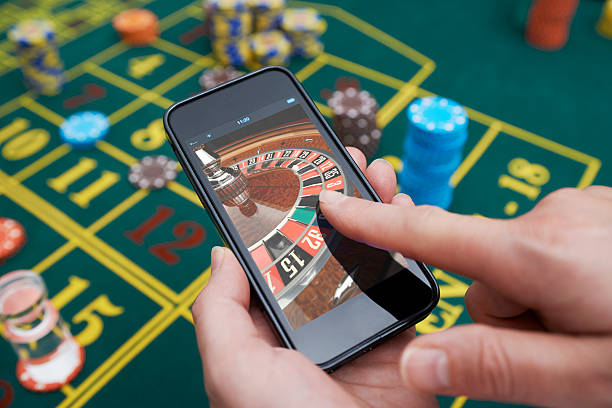
As online gaming continues to evolve, platforms emphasizing responsible gaming have become increasingly important. Sites like No KYC Casino offer streamlined experiences that prioritize user privacy while promoting responsible gambling practices. By providing resources for self-assessment and encouraging players to set limits, these platforms aim to create a safer environment for all users.
Additionally, the focus on education and awareness plays a crucial role in combating gambling addiction. By equipping players with knowledge about the subconscious influences on decision-making, individuals can better understand their behaviors and make informed choices. Awareness campaigns can demystify the complexities surrounding gambling and foster a culture of responsibility, reducing the stigma associated with seeking help.
Ultimately, a commitment to responsible gaming is essential for ensuring that the subconscious mind is not exploited through gambling. By leveraging platforms dedicated to promoting healthy gaming habits and providing support, individuals can enjoy the excitement of gambling while minimizing risks. Understanding the complexities of our subconscious can help us navigate the challenges posed by gambling and foster healthier relationships with this form of entertainment.